
Aloe vera for sensitive skin in Lanzarote and skin allergies: when it can help and when it won't
A complete guide to understanding its benefits, its limitations, and how to use it safely.
Sensitive skin and skin allergies are increasingly common due to stress, pollution, hormonal changes, the use of harsh cosmetics, or even minor internal imbalances. In this context, many people are looking for natural alternatives that allow them to care for their skin without irritating it or exposing it to unnecessary substances. One of the most recommended ingredients is aloe vera, known for its soothing, moisturizing, and regenerative properties.
However, while it's a safe ingredient for most people, it's not always the ideal solution depending on the type of allergy or the severity of the irritation. Therefore, this article analyzes when it is beneficial to use it. aloe vera for sensitive skin in Lanzarote and when it's best to avoid it or consult a professional. The goal is to offer a practical, evidence-based guide that's easy to apply in daily life.
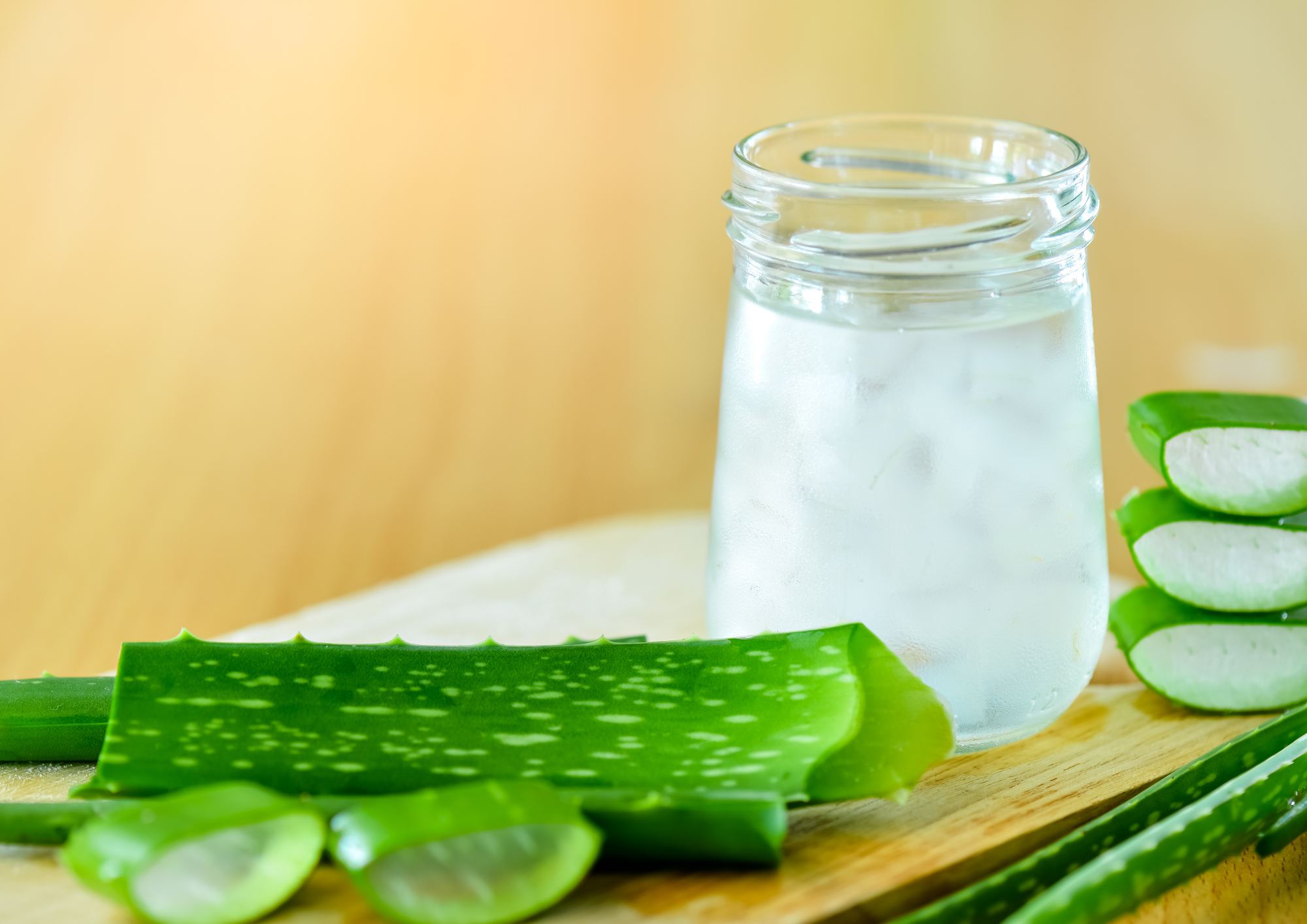
Aloe vera and sensitive skin: why it often works so well
One of the reasons so many dermatologists and natural cosmetic experts recommend aloe vera is its composition. Its inner gel contains polysaccharides, vitamins, minerals, enzymes, and amino acids that work together to reduce inflammation, increase hydration, and gently promote cell regeneration.
When we talk about aloe vera for sensitive skin, We're referring to an ingredient that acts as a protective and soothing layer. Its ability to reduce redness, tightness, and dryness makes it an ideal ally for skin that reacts easily to temperature changes, sun exposure, shaving, or overly astringent cosmetics.
In addition, aloe creates a microenvironment that promotes the skin's natural repair without clogging pores, a very valuable advantage for those who suffer from constant irritations or minor inflammations.
When can aloe vera help with mild allergies and dermatitis?
Many users are looking for aloe vera for sensitive skin Because they've heard it helps with itching, irritation, or minor allergic reactions. In mild cases, this is true. But in what specific situations can it actually be useful?
Aloe is especially effective when discomfort is related to:
Superficial irritations, These are common types of rashes, such as those caused by friction, sweat, hair removal, or the use of harsh cosmetic products. In these cases, applying pure aloe vera provides immediate relief thanks to its natural cooling properties and anti-inflammatory effects.
Mild dermatitis, especially non-allergic contact dermatitis. This is usually caused by a cosmetic that has disrupted the skin barrier, and aloe can help restore it thanks to its polysaccharides and regenerative properties.
Specific reactions, such as redness or itching after intense exposure to sun or wind. Aloe gel acts as a restorative balm that soothes and softens.
Stressed areas, For example, dry hands, irritated cheeks, or areas with slight flaking. Aloe provides deep hydration without leaving a greasy residue.
In all these cases, use aloe vera for sensitive skin in Lanzarote Incorporating it into a daily routine can help reduce the frequency and intensity of discomfort, making the skin more resilient and balanced over time.
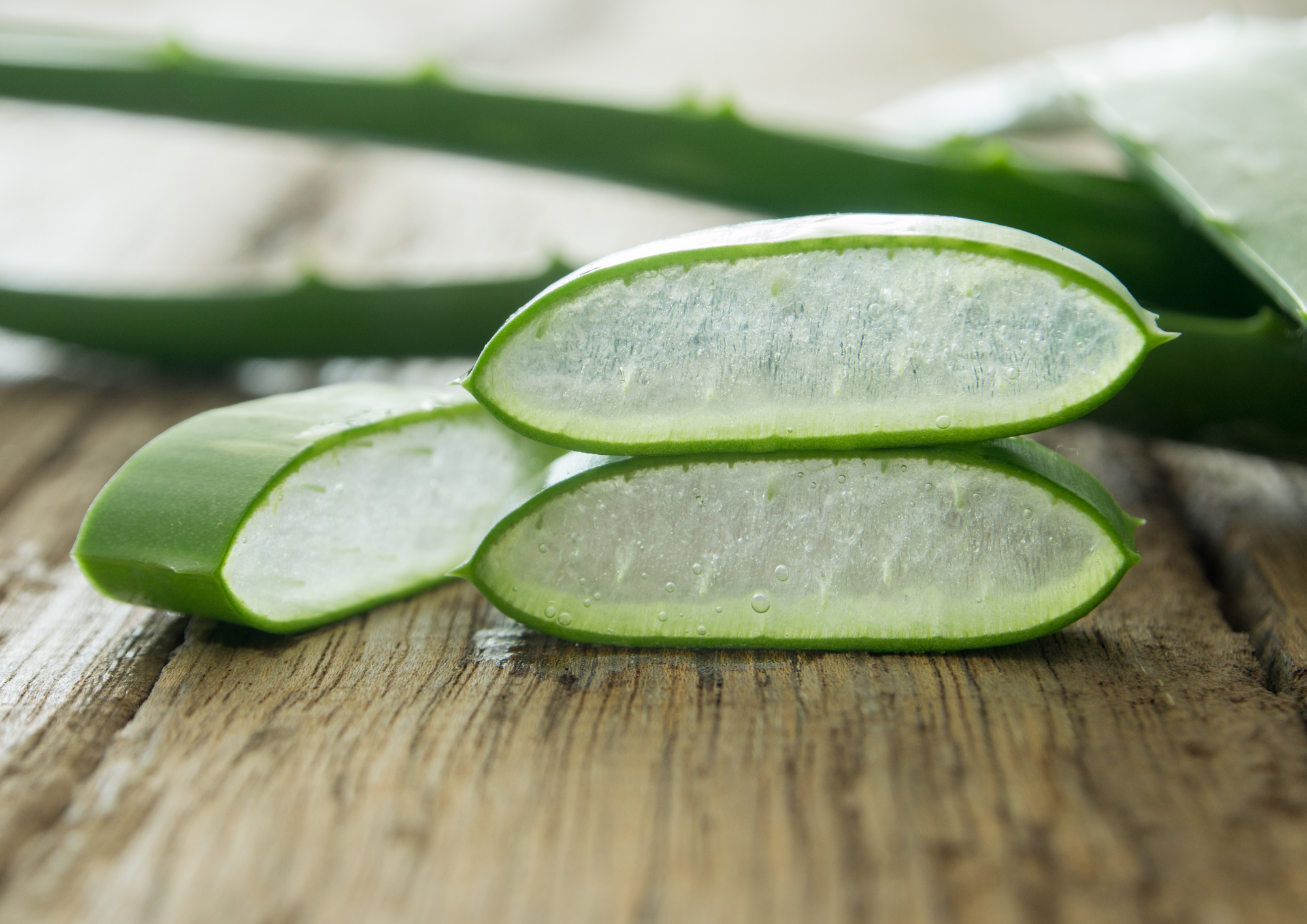
When aloe vera is NOT the best option
Despite its benefits, there is some confusion: not all skin allergies should be treated with aloe vera. In fact, there are situations where it may not be enough or may even be contraindicated. If a person has a true allergy, with symptoms such as intense inflammation, blisters, excessive heat, or severe itching, it is best to discontinue all cosmetic use (even natural ones) and consult a specialist.
It is also not recommended to use aloe in cases of:
- Moderate or severe atopic dermatitis, as the skin may be extremely reactive and require specific medical treatments.
- Confirmed allergic reactions, such as an allergy to a specific ingredient in the product. Although aloe is generally safe, some formulas include preservatives or fragrances that could worsen the situation.
- Open wounds that are too deep or infected, where professional intervention is required.
That's why it's important to distinguish between simple irritation and a serious allergic reaction. If in doubt, it's best to test the product on a small area and monitor the reaction for 24 hours before applying it to larger areas.
Tips for using aloe vera correctly on sensitive skin
Sensitive skin needs a predictable, gentle, and consistent routine. To get the most out of it aloe vera for sensitive skin in Lanzarote, It's important to apply the product correctly and choose appropriate formulations. It's best to opt for products containing a high percentage of pure aloe, without alcohol, and with few additional ingredients. This reduces the risk of adverse reactions and allows the aloe to work more effectively on the skin.
Application is also important: it's best to apply it to clean skin, massaging gently to avoid friction and allowing the gel to absorb slowly. Many people find it beneficial to use it both in the morning, for protection, and at night, for regeneration.
How to integrate it into a daily care routine
Aloe can become a cornerstone of a balanced skincare routine for sensitive skin. Its versatility allows it to be used as a light moisturizer, a soothing treatment, a targeted mask, or an after-sun booster.
Many people use the aloe vera for sensitive skin in Lanzarote Apply as the first step after cleansing, followed by a nourishing cream if extra hydration is needed. On very reactive skin, it can even temporarily replace toner, as it helps balance the skin without causing irritation. During periods of heightened sensitivity, such as during weather changes or after hair removal, consistent use helps reduce inflammation and improve skin comfort.
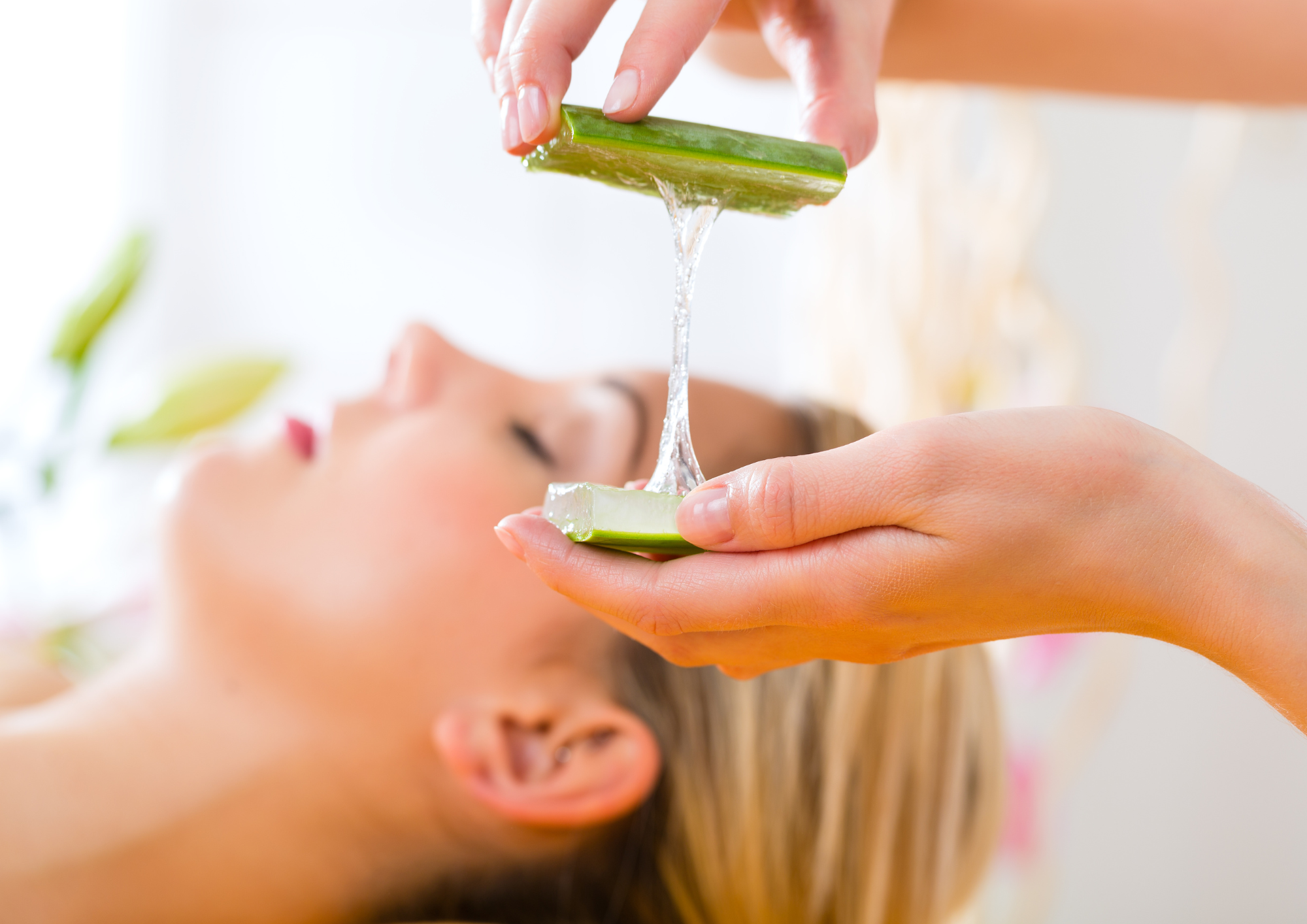
Aloe and the skin barrier: why it's so effective at strengthening the skin
One of the main benefits of aloe is its ability to strengthen the skin barrier, a crucial aspect for those who suffer from recurring irritations. Its action on keratinocytes and its capacity to promote cell regeneration help repair minor injuries and prevent external agents from penetrating easily. This mechanism explains why so many people experience less redness and more even skin tone when they include aloe in their routine. It's not just a quick fix: it's also a preventative ingredient.
He aloe vera for sensitive skin in Lanzarote It can be an extraordinary treatment for soothing minor irritations, reducing redness, improving hydration, and strengthening the skin barrier. Its ability to relieve discomfort and promote regeneration makes it one of the most versatile and safe natural ingredients.
However, like any product, it has its limitations. It should not replace medical treatment in cases of severe allergies or dermatitis, nor should it be applied without proper product selection. When used correctly, it can transform how your skin responds to external aggressors, restoring balance, softness, and well-being every day.